
























Watch: DPU Incoterm Explained




Video Transcript
“What does DPU mean in international shipping?
This 30-second guide explains Delivered at Place Unloaded under Incoterms® 2020, including the seller’s transportation and unloading obligations and the point where cargo risk transfers to the buyer.
Under DPU, the seller arranges transportation, completes export clearance and bears the costs and risk until the goods are unloaded at the exact named destination.
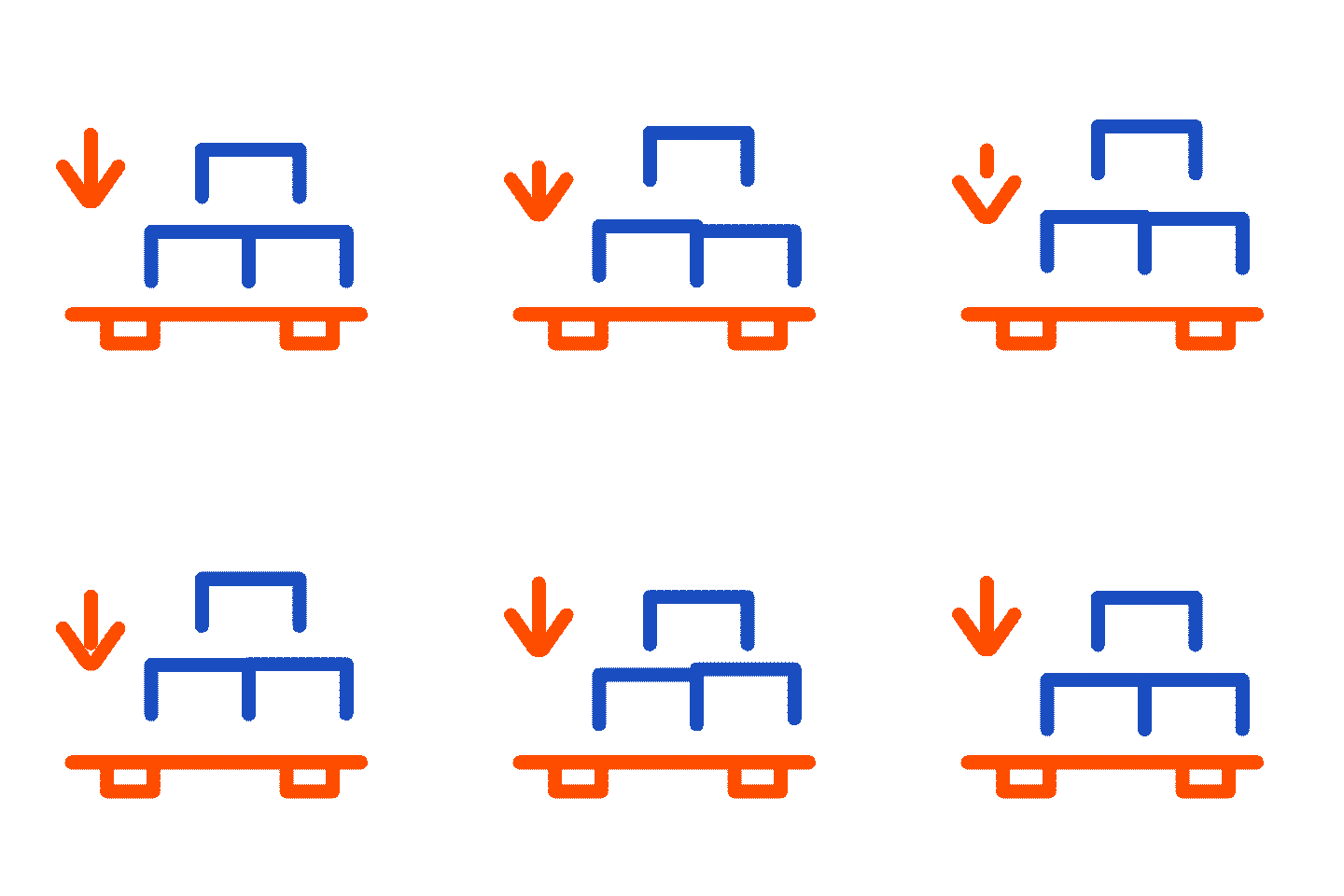
Delivery and risk transfer occur only after unloading is complete and the goods have been placed at the buyer’s disposal.
The buyer handles import clearance, pays applicable duties and taxes, and arranges any onward transportation required after delivery.
DPU is the only Incoterms® 2020 rule requiring the seller to unload and can be used with any transport mode.
DPU replaced DAT—Delivered at Terminal—to clarify that delivery can occur at any agreed place, not only a terminal.
Always confirm that the seller can unload safely at the specified delivery point.”


