

























Shipping Cargo From USA to Dubai: Complete Guide (Costs, Transit Time & Process)
 Ports & Routes


Shipping cargo from the United States to Dubai is a strategic move for businesses and individuals targeting the Middle East market. With Dubai serving as a major global logistics hub, understanding shipping methods, transit times, costs, and customs requirements is essential for efficient international freight planning.
Why Ship Cargo From the USA to Dubai?
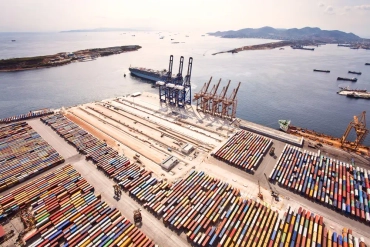
Dubai is one of the most important global trade gateways, connecting Asia, Europe, and Africa. Its advanced infrastructure and ports like Jebel Ali make it a preferred destination for international cargo.
Shipping from the U.S. to Dubai is commonly used for:
- Commercial imports and exports
- E-commerce and retail distribution
- Household relocations
- Industrial equipment and machinery
Shipping Options: Ocean Freight vs Air Freight
Choosing the right shipping mode depends on your timeline, budget, and cargo type.
Ocean Freight (Most Cost-Effective)
Ocean freight is the most popular option for large shipments and containerized cargo.
Best for:
- Heavy or bulky cargo
- Full Container Load (FCL) and Less than Container Load (LCL) shipments
- Cost-sensitive logistics planning
Transit Time:
- Typically 15 to 50 days depending on origin and route
- Average real-world estimate: around 3 to 5 weeks for many U.S. routes
Air Freight (Fastest Option)
Air freight is ideal for urgent, high-value, or time-sensitive shipments.
Best for:
- Perishable goods
- High-value cargo
- Express deliveries
Transit Time:
- Typically 2 to 8 days
How Long Does Shipping From USA to Dubai Take?
Transit time varies based on multiple logistics variables:
- Origin port (East Coast vs West Coast)
- Shipping method (air vs ocean)
- Direct vs transshipment routes
- Port congestion and seasonality
Typical timelines:
| Shipping Mode | Estimated Transit Time |
|---|---|
| Ocean Freight | 15–50 days |
| Air Freight | 2–8 days |
For example, shipments from U.S. East Coast ports usually arrive faster than those from the West Coast due to shorter routing distances
What Affects Shipping Costs?
Shipping costs from the USA to Dubai are influenced by several operational and commercial factors:
- Shipping method (air vs ocean)
- Container type (FCL vs LCL)
- Cargo weight and volume
- Distance and routing
- Fuel prices and surcharges
- Seasonality and market demand
For container shipping, pricing varies significantly depending on capacity and route, making real-time rate comparison essential.
👉 Use the shipping calculator to estimate accurate freight costs based on your shipment details.
Required Documents for Shipping to Dubai
To clear customs in the UAE, you must prepare accurate documentation. Missing or incorrect paperwork is one of the most common causes of delays.
Key documents include:
- Commercial invoice
- Packing list
- Certificate of origin
- Bill of lading (ocean freight) or airway bill (air freight)
- Payment terms or letter of credit
Customs clearance is mandatory for all shipments entering Dubai and requires compliance with UAE import regulations
Customs Clearance in Dubai: What to Expect
Once your cargo arrives in Dubai, it undergoes customs inspection and clearance.
Key considerations:
- Accurate cargo declaration is required
- Duties and taxes may apply depending on goods
- Certain items require permits or are restricted
- Documentation must match shipment details
Working with an experienced freight forwarder significantly reduces delays and compliance risks.
Key Challenges When Shipping to Dubai
While Dubai offers efficient logistics infrastructure, there are still operational challenges to consider:
1. Transit Time Variability
Delays can occur due to port congestion, weather, or route changes.
2. Documentation Errors
Incorrect paperwork can lead to customs holds and additional costs.
3. Cost Fluctuations
Freight rates can vary based on fuel costs, demand, and global trade conditions.
4. Mode Selection Complexity
Choosing between FCL, LCL, or air freight requires expertise to balance cost vs speed.
How iContainers Simplifies Shipping From USA to Dubai
iContainers provides a digital freight platform that enables businesses and individuals to streamline international shipping.
With iContainers, you can:
- Compare real-time ocean and air freight rates
- Access multiple carriers and routes
- Book shipments online with full transparency
- Track cargo from origin to destination
- Manage documentation and customs processes
The platform helps reduce manual coordination, improve visibility, and optimize shipping decisions across the entire supply chain.
Step-by-Step: How to Ship Cargo From USA to Dubai
- Define shipment details (cargo type, volume, destination)
- Choose shipping mode (air or ocean freight)
- Compare rates and transit times
- Book shipment and prepare documentation
- Arrange pickup and transport to port or airport
- Track shipment in transit
- Complete customs clearance in Dubai
- Arrange final delivery or pickup
Final Thoughts
Shipping cargo from the USA to Dubai requires careful planning across transport mode, documentation, and cost management. Whether you are shipping commercial goods or personal items, selecting the right logistics strategy is critical for efficiency and reliability.
By leveraging digital freight platforms like iContainers, shippers gain better control, visibility, and cost optimization across international supply chains.
- 1. Why Ship Cargo From the USA to Dubai?
- 2. Shipping Options: Ocean Freight vs Air FreightOcean Freight (Most Cost-Effective)Air Freight (Fastest Option)
- 3. How Long Does Shipping From USA to Dubai Take?
- 4. What Affects Shipping Costs?
- 5. Required Documents for Shipping to Dubai
- 6. Customs Clearance in Dubai: What to Expect
- 7. Key Challenges When Shipping to Dubai1. Transit Time Variability2. Documentation Errors3. Cost Fluctuations4. Mode Selection Complexity
- 8. How iContainers Simplifies Shipping From USA to Dubai
- 9. Step-by-Step: How to Ship Cargo From USA to Dubai
- 10. Final Thoughts
Related Articles